By Maverick
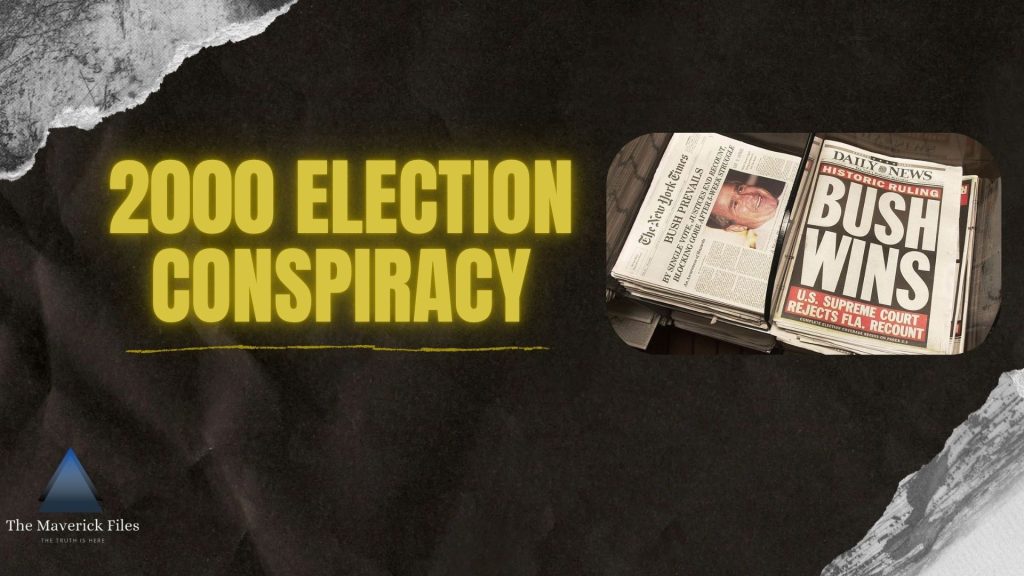
The year 2000 marked one of the most controversial and debated elections in American history. On the surface, it seemed like a closely contested race between Republican candidate George W. Bush and Democrat candidate Al Gore, then the Vice President. However, as the dust settled and Bush emerged victorious after a tense legal battle, whispers of a grand conspiracy began to circulate. Was this election really decided by the will of the people, or was it orchestrated by rich and powerful forces behind the scenes?
The epicenter of the 2000 election controversy was Florida, where a margin of just 537 votes in favor of Bush ultimately determined the outcome. One of the most suspicious aspects of the 2000 election was the Florida recount itself. Florida’s then-Governor Jeb Bush, George W. Bush’s brother, was involved in the recount. Pretty suspicious, wouldn’t ya say? Did Jeb use his power and influence to sway the election in his brother’s favor? Katherine Harris, then Florida’s Secretary of State and a co-chair of Bush’s Florida campaign, made decisions that many claim were biased towards Bush. The abrupt halt of the recount by the U.S. Supreme Court, led by a conservative majority, only added fuel to the fire, leading many to speculate that the election was fixed from the get-go.
The U.S. Supreme Court’s involvement in the 2000 election was unprecedented and controversial. In a 5-4 decision, the Court effectively awarded the presidency to George W. Bush by stopping the Florida recount. But was this decision based on legal principles, or was it driven by political motives? It’s no secret that the justices who voted to stop the recount were appointed by Republican presidents. Could they have been influenced by their own political leanings or by pressure from powerful conservative interests? Conspiracy theorists argue that this was a carefully orchestrated coup to toss Gore, where the judiciary was used as a tool to install Bush in the White House, ensuring that the interests of the elite were protected.
The media’s role in the 2000 election raises more questions than answers as well. On election night, several major networks prematurely declared Gore the winner of Florida, only to retract their calls later, saying it was “too close to call.” Not long after, Bush was declared the winner of Florida and of the election, making him President-Elect. The end result created a narrative that Bush had won, influencing public perception and possibly swaying the decisions of election officials and the courts. Some suggest that mainstream media conglomerates, with their deep ties to corporate America and the political establishment, played a role in shaping the outcome of the election. By controlling the narrative, they ensured that the chaos in Florida worked to Bush’s advantage.
The 2000 election set a precedent for how easily the democratic process can be subverted. Whether or not you believe in the conspiracy theories surrounding the election, it’s undeniable that the events of 2000 have had a lasting impact on American politics. As we reflect on the 2000 election, we must remain vigilant and question the forces at play in our political system. Who really decides our elections? Can we trust the process to be honest and transparent? Based on recent elections we’ve had in this country, it’s fair to say that the people don’t have as much or any sovereign power as they had been conditioned to believe that they did. Please share your thoughts in the comment section. Be well.