By Maverick
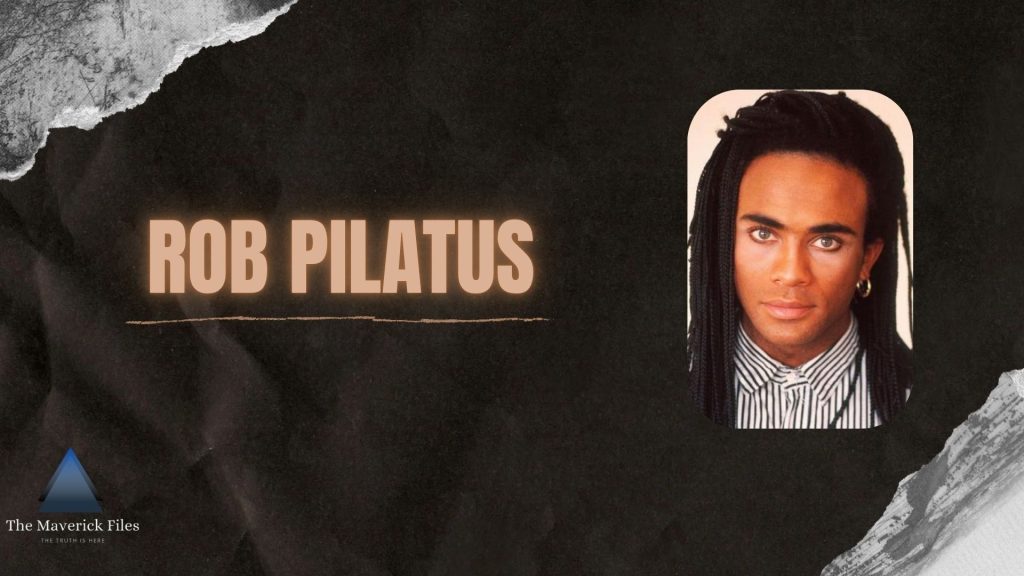
Robert Pilatus rose to global fame as one-half of the pop duo Milli Vanilli, alongside Fab Morvan. Born in Munich, Germany, on June 8th, 1964 or 1965, to a German mother and an African American father, Pilatus had a turbulent upbringing marked by foster care, instability, and a deep desire for identity and recognition. As a young man, he found belonging in the dance and modeling scene, where his striking looks, braided hair, and athletic build helped him stand out. When producer Frank Farian assembled Milli Vanilli in the late 1980s, Pilatus and Morvan became the visual faces of a project that would quickly dominate international charts.
Their debut album, Girl You Know It’s True, was a massive commercial success, producing multiple hit singles and earning the duo a Grammy Award for Best New Artist in 1990. But behind the scenes, a devastating secret lingered: Pilatus and Morvan had not sung the vocals on the record. The real vocalists were studio performers selected by Farian. When the lip-syncing scandal was publicly exposed, the fallout was immediate and brutal. The Grammy was revoked, an unprecedented move, and Milli Vanilli became shorthand for fraud in the music industry. Pilatus and Morvan insisted they had been manipulated and silenced contractually, claiming they were pressured to participate in a system they did not control. Regardless, their careers collapsed almost overnight.
The scandal took a profound toll on Pilatus personally. He struggled with substance abuse, legal issues, and repeated attempts at rehabilitation. Arrests for assault and drug possession followed. His image, once carefully curated as glamorous and untouchable, began to deteriorate in the public eye. By the mid-1990s, he and Morvan attempted a comeback under their real names, even recording new material with their own vocals. However, the stigma proved difficult to overcome.
The official story of Pilatus’s death is tragically straightforward. On April 2nd, 1998, at age 32, he was found dead in a Frankfurt, Germany, hotel room. Authorities ruled the death an accidental overdose caused by a lethal combination of alcohol and prescription and non-prescription drugs. Toxicology reports indicated multiple substances in his system, including cocaine and tranquilizers. There were no signs of foul play, and investigators concluded that the overdose was unintentional.
Yet, as with many high-profile deaths, especially those involving scandal and humiliation, conspiracy theories quickly surfaced. Some skeptics questioned whether the overdose was truly accidental, suggesting it may have been suicide fueled by depression and public disgrace. Others went further, speculating that powerful figures within the music industry may have had motives to silence Pilatus if he intended to expose deeper manipulation or exploitation behind Milli Vanilli’s formation. These theories often hinge on broader suspicions about industry control, manufactured fame, and contractual coercion. However, no concrete evidence has ever substantiated claims of homicide or a coordinated cover-up.
Another thread of conspiracy discussion centers on producer Frank Farian’s role. Critics argue that Farian engineered the deception and then distanced himself once the backlash erupted, effectively leaving Pilatus and Morvan to absorb the public fury. Some theorists claim Pilatus may have been preparing to reveal more damaging information about industry practices. Yet there is no documented proof that he possessed bombshell revelations beyond what was already widely known. The industry certainly suffered reputational damage, but the scandal was thoroughly exposed in mainstream media long before his death.
A particularly visible point of public fascination in the years leading up to his death was how dramatically Pilatus’s appearance changed. During the height of Milli Vanilli’s fame, he was known for long, thick braids, sharply defined facial features, and a chiseled, youthful look that seemed larger than life. By the late 1990s, photos showed a noticeably altered face, thinner, more worn, sometimes bloated depending on the period, and visibly aged beyond his 32 years. Substance abuse, stress, weight fluctuation, and the physical toll of addiction can significantly alter facial structure and skin quality. Other proponents of this also believe this man wasn’t the real Rob.
Pilatus, insinuating that the real one died just years before he officially died in 1998. What some conspiracy-minded observers interpreted as a mysterious physical transformation or body switch was more plausibly the cumulative effect of drugs, alcohol, poor sleep, and psychological strain. The contrast between his polished, heavily styled pop-star image and his later unfiltered appearance amplified perceptions that he had “changed beyond recognition.”
There is also a psychological dimension to the conspiracy culture surrounding his death. Pilatus became a symbol of manufactured celebrity, proof, to many, that the music industry could fabricate stardom. When someone so deeply associated with deception dies young, the narrative almost invites speculation that the system which created him may have also destroyed him. Is this really so far-fetched? However, his downward spiral appears tragically consistent with the documented impact of public shaming, addiction, and unresolved trauma. I blame Frank Farian for this.
Over time, cultural reassessments have softened the once-harsh public judgment of Pilatus and Morvan. Documentaries and retrospectives have framed them less as villains and more as exploited young performers caught in a cynical business arrangement. Pilatus’s life story now often reads as one of vulnerability, an ambitious young man seeking fame and belonging who became entangled in forces larger than himself.
In the end, the official ruling remains an accidental overdose. The conspiracy theories, ranging from suicide speculation to industry silencing, reflect broader distrust of celebrity culture and corporate music power structures. While unanswered questions linger, no verified evidence has contradicted the overdose determination. Rob Pilatus’s life and death remain a cautionary tale about fame, identity, and the high cost of illusion in the entertainment world. Please share your thoughts in the comment section. Be well.