By Maverick
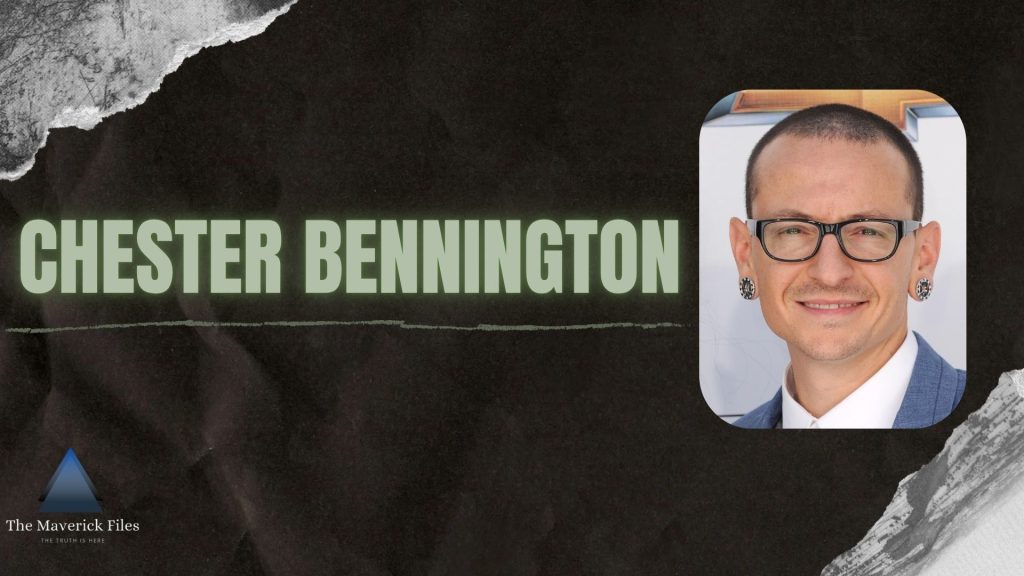
Chester Bennington was one of the most recognizable and emotionally powerful voices in modern rock. As the lead vocalist of Linkin Park, he helped define the sound of the early 2000s by blending nu-metal, alternative rock, and hip-hop into a genre-crossing style that resonated with millions. Born Chester Charles Bennington on March 20th, 1976, in Phoenix, Arizona, Bennington had a difficult childhood marked by trauma, bullying, and early struggles with substance abuse. Music became both an outlet and a lifeline. Before achieving global fame, he worked various jobs while honing his vocal style, one capable of shifting from melodic vulnerability to raw, cathartic screaming.
His breakthrough came when he joined Linkin Park in 1999. The band’s debut album, Hybrid Theory(2000), became one of the best-selling albums of the 21st century, featuring hits like “In the End” and “Crawling.” Bennington’s voice was central to the band’s identity; his ability to channel pain, anger, and introspection gave their music an authenticity that deeply connected with fans. Follow-up albums like Meteora and Minutes to Midnight cemented Linkin Park’s place as one of the biggest rock acts in the world. Beyond music, Bennington became known for openly discussing mental health struggles, addiction recovery, and emotional vulnerability, which made him an important figure for fans dealing with similar issues.
On July 20th, 2017, Chester Bennington was found dead at his home in Palos Verdes Estates, California. He was 41 years old. The official ruling by the Los Angeles County Coroner determined that he died by suicide, specifically by hanging. Toxicology reports indicated a small amount of alcohol in his system but no major intoxicants. The date of his death coincided with what would have been the birthday of his close friend Chris Cornell, who had died by suicide just two months earlier. Cornell was the lead vocalist of the rock bands Soundgarden, Audioslave, and Temple Of The Dog. This loss added a layer of emotional weight to Chester’s own tragedy. Investigators found no evidence of foul play, and those close to him acknowledged his long history of depression and past substance abuse struggles.
Despite the official conclusion, conspiracy theories quickly spread across the internet. One of the most widely circulated theories connects Bennington’s death to that of Chris Cornell. Because the two were close friends, and both died by hanging within a short time frame, some theorists argue that their deaths were not coincidences but part of something more sinister. This speculation intensified with claims, largely unverified, that both musicians had been working on projects or documentaries exposing powerful individuals or dark aspects of the entertainment industry. In some versions of this theory, their deaths are framed as targeted silencing. However, no credible evidence has emerged to support the existence of such projects or any coordinated effort against them. It didn’t stop the conspiracy theories from circulating, however.
Another conspiracy theory involves broader narratives about Hollywood and the music industry. Some online communities have suggested that Bennington was connected to investigations into abuse or trafficking networks involving elite figures, and that his death was meant to prevent exposure. These claims often rely on loosely connected associations, speculative interpretations of lyrics, and misattributed or debunked information. While such theories can be compelling in their storytelling, they have not been substantiated by any verified sources, law enforcement findings, or investigative journalism.
Internet sleuths have also said he could’ve been another Illuminati sacrifice by the powers that be because he was just the next one on their star whacker list. It doesn’t even have to mean he was killed because he did something the establishment didn’t like; it could’ve been because of some underlying hidden symbolic meaning, such as an anniversary or a numerical innuendo derived from gematria used in Kabbalah or Jewish mysticism. For example, the names Chester and Chris are equal to 39 in reverse reduction and single deduction gematria. There are other significant correlations drawn by other researchers and experts at gematria, but that will be a whole separate blog.
There is also a faction of skeptics who question whether his death was truly a suicide. They point to the absence of a note, the method of death, or perceived inconsistencies in timelines as reasons for doubt. Others argue that his public persona, especially his role as a father and his recent creative activity, did not align with suicidal intent. However, mental health experts often stress that suicide does not always follow a visible or predictable pattern, and many individuals who appear outwardly functional may still be struggling internally.
A more grounded but still controversial discussion centers on the pressures of fame and the music industry. Some believe that while there may not have been a direct conspiracy, systemic issues, such as relentless touring, public scrutiny, and the emotional toll of maintaining a global career, contributed to his declining mental state.
Another aspect that drew attention in the years leading up to his death was Bennington’s physical appearance. Compared to his early Linkin Park days, when he had a youthful face, dyed hair, and a high-energy stage presence, he appeared more aged and worn in later years. His face looked thinner, with sharper features and visible signs of stress. Some conspiracy-minded observers speculated about hidden illnesses or external pressures, but these changes are widely understood to reflect natural aging, past substance abuse, and the cumulative effects of years in a high-pressure lifestyle.
Again, the timing of his death also fueled symbolic interpretations. The connection to Chris Cornell’s birthday led some to believe there was a deeper meaning or message embedded in the date. Others noted lyrical themes in Linkin Park’s music, songs that dealt with despair, inner conflict, and emotional pain, and interpreted them as clues or warnings. While these interpretations can feel haunting in retrospect, they are generally seen as expressions of artistic honesty rather than evidence of hidden plots, but people will still believe what they want to. That’s the fun with conspiracy theories because it allows one to think of a multitude of theories, but in the end (no pun intended), no one knows for sure what the true story is. It’s more about what people do and will believe.
In the years since his passing, Bennington’s legacy has continued to grow. Fans and fellow musicians frequently cite his openness about mental health as a source of comfort and awareness. Linkin Park’s music remains widely streamed, and tributes to him often emphasize not just his talent but his impact on listeners who felt understood through his voice. Please share your thoughts in the comment section. Be well.