By Maverick
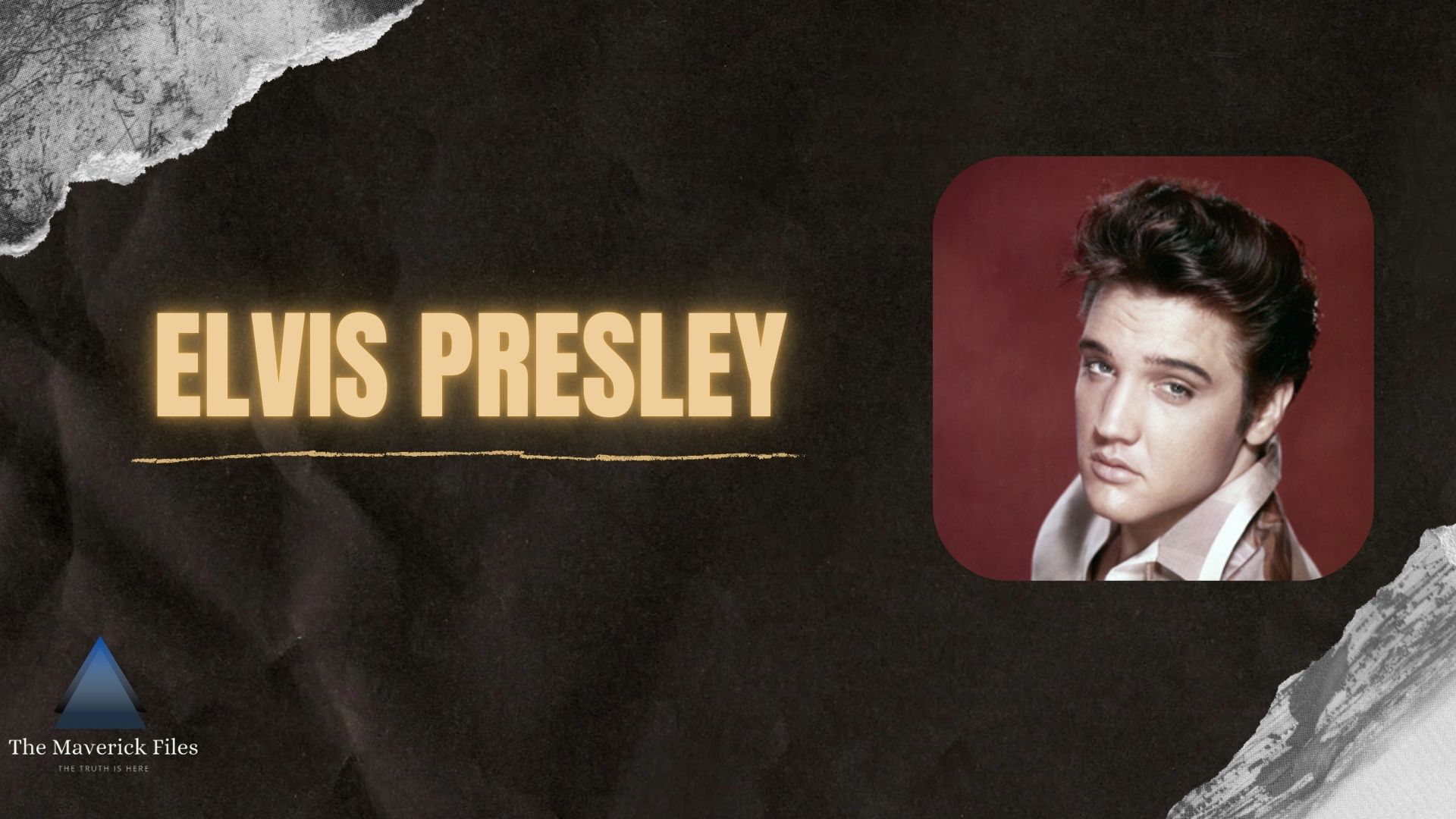
Elvis Aaron Presley remains one of the most influential and mythologized figures in modern music history. Known as the “King of Rock and Roll,” Presley reshaped popular culture in the 1950s by blending rhythm and blues, gospel, and country music into a new sound that electrified audiences around the world. Born on January 8th, 1935, in Tupelo, Mississippi, he grew up in a working-class family and was deeply influenced by the music he heard in church as well as the blues and gospel traditions of the American South. In 1954, while recording at Sun Records in Memphis under producer Sam Phillips, Presley recorded “That’s All Right,” a song that would launch a revolution in popular music. His charismatic voice, rebellious stage presence, and provocative hip movements helped spark the rock and roll era and turned him into an international sensation almost overnight.
By the late 1950s, Presley had become a cultural phenomenon. Hits such as “Hound Dog,” “Heartbreak Hotel,” and “Jailhouse Rock” dominated the charts, while his appearances on television and in films cemented his celebrity status. Young audiences adored him, while conservative critics accused him of corrupting American youth. Presley’s combination of raw energy and emotional vulnerability helped redefine what a pop star could be. His career was briefly interrupted by military service in Germany from 1958 to 1960, after which he returned to a film-focused career in Hollywood before staging a dramatic comeback with the famous 1968 television special that reminded the world of his musical power.
Despite the immense fame, Presley’s later years were marked by personal struggles. Heavy touring schedules, the pressures of maintaining his image, and dependence on prescription medications began to take a toll. By the mid-1970s, his physical appearance had changed dramatically. Once known for his youthful good looks and athletic stage presence, he appeared heavier, fatigued, and visibly unwell in many performances. Friends and associates later described how he relied heavily on medications prescribed by doctors to help him sleep, manage pain, and sustain energy during tours.
The official story of Presley’s death is that he died on August 16th, 1977, at age 42, in the bathroom of his Graceland mansion in Memphis. He was discovered unresponsive by his fiancée, Ginger Alden, and later pronounced dead at Baptist Memorial Hospital. The medical examiner initially listed the cause of death as cardiac arrhythmia, meaning his heart stopped beating properly. Later analyses and medical reviews suggested that a combination of prescription drugs in his system, including opioids, sedatives, and other medications, may have contributed to heart failure. The death was ultimately ruled a natural death, though widely understood to be linked to long-term prescription drug use. Elvis was never an alcoholic either, so it’s unfortunate that he got hopped up on the damn prescription drugs.
Almost immediately after his death, conspiracy theories began to circulate. One of the most famous claims is that Elvis Presley never actually died and instead faked his death to escape fame. According to this theory, Presley was exhausted by years of relentless touring, personal pressures, and declining health. Some believers argue that staging his death would have allowed him to live quietly away from public scrutiny. The theory gained traction partly because of reported inconsistencies surrounding the death certificate and alleged “sightings” of Presley in the years that followed.
A central piece of the “Elvis is alive” theory involves alleged sightings of the singer around the world. Over the decades, people have claimed to see him in locations ranging from airports to grocery stores. Some stories place him living anonymously in the United States, while others suggest he moved abroad. The most famous claim revolves around a man nicknamed “Jon Burrows,” a name Presley had occasionally used when traveling anonymously. Some conspiracy theorists argue that a plane ticket under that name was purchased shortly after his reported death, suggesting he may have secretly left the country.
Another commonly cited detail involves the appearance of Presley in his coffin during the public viewing at Graceland. Some fans claimed his face looked waxy or unnatural, fueling rumors that the body on display might have been a wax replica rather than Presley himself. Others pointed to the unusually large sideburns and makeup used for the viewing as signs that something was being concealed. In reality, funeral makeup and embalming practices often create an unnatural appearance, but for many believers, the strange visual details became evidence of a staged death.
There are also theories tied to government involvement. One particularly elaborate claim suggests that Presley was secretly working with federal authorities, possibly assisting in operations against organized crime or drug trafficking. According to this story, the government helped fake his death in order to place him in witness protection. Supporters sometimes point to Presley’s known interest in law enforcement and his meeting with President Richard Nixon in 1970, during which Presley requested a federal narcotics badge. While the meeting is historically documented, there is no evidence that Presley ever served as an informant or operative.
Another conspiracy theory focuses on inconsistencies in the medical records and autopsy details. Critics have argued that the official cause of death changed multiple times in the days after Presley died, creating confusion. Some reports indicated heart failure, while others suggested drug interactions or gastrointestinal complications. Because the Presley family requested that certain autopsy details remain sealed for decades, the secrecy fueled speculation that authorities were hiding embarrassing or damaging information. However, historians generally agree that the sealed records were intended to protect Presley’s privacy rather than conceal foul play, which makes sense as his family had a right to keep the information to themselves despite the myriad of fans who wanted to know the truth and were just downright curious. However, Elvis was still a private citizen despite being a public figure on stage.
Financial motives have also appeared in conspiracy discussions. Some theorists claim that Presley’s estate could have benefited from the massive surge in sales and attention following his death. In reality, while Presley’s death did lead to a huge increase in record sales and merchandise, there is no evidence that his family or business partners orchestrated such an elaborate deception. His estate was being managed by his daughter, Lisa Marie Presley, for many years before her own passing in 2023, focused largely on preserving his legacy and maintaining Graceland as a historical landmark. Then, of course, there are the deeper and more sinister theories that the Illuminati sacrificed Elvis since he was one of the biggest stars in the industry and had a profound impact on his fans. There’s even a theory out there that Elvis is actually Donald Trump. I mean, it’s possible the other theories could be true, but that one is over the top.
Part of the reason the conspiracy theories endure is that Presley was more than just a musician; he was a cultural symbol. His influence on music, fashion, and performance was so grandiose that many fans found it emotionally difficult to accept his sudden death, just like with many other famous A-list celebrities who kick the bucket prematurely. Throughout history, legendary figures sometimes acquire myths suggesting they never truly died, and Elvis became one of the most prominent modern examples of that phenomenon evidently.
Today, Presley’s legacy continues to dominate popular culture. His recordings still sell millions, his films remain widely watched, and Graceland attracts hundreds of thousands of visitors each year. While historians and medical experts overwhelmingly accept that Elvis Presley died in 1977 from complications related to heart failure and prescription drug use, the mythology surrounding him remains powerful. The stories of secret sightings, hidden identities, and staged funerals reflect the enduring fascination with a man whose influence reshaped music and celebrity itself. They always say that someone who looks like us is out there, so perhaps that could’ve been the case with Elvis, but maybe their eyes weren’t playing tricks on them. Even if he did fake his death and was still alive all these years, enjoying retirement, most likely he’s deceased now, as he would be in his 90s today.
In the end, the conspiracy theories surrounding Elvis Presley say as much about the public’s relationship with fame as they do about the singer himself. For many fans, Elvis was not just a performer but a larger-than-life figure who seemed almost immortal. When someone reaches that level of cultural impact, even death can struggle to bring the legend to an end. It’s safe to say that a mega star like Elvis and many others like him, who died too young, often end up immortalized and become more famous than they ever were during their lifetime. Please share your thoughts in the comment section. Be well.