By Maverick
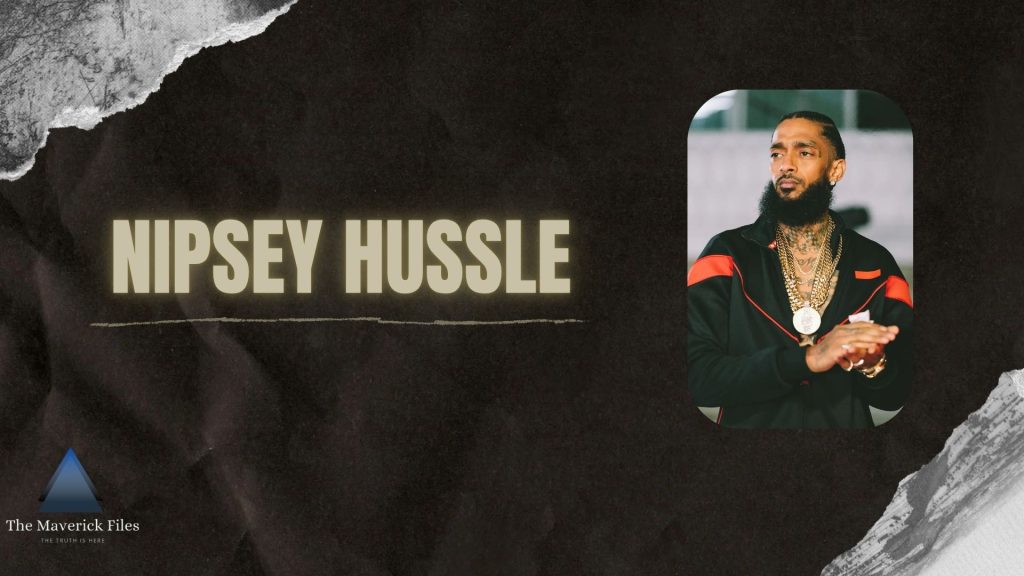
Nipsey Hussle, born Ermias Joseph Asghedom on August 15th, 1985, in Los Angeles, California, was more than just a rapper; he was a community figure, entrepreneur, and symbol of independent success in hip-hop. Raised in the Crenshaw neighborhood of Los Angeles, California, Nipsey grew up surrounded by gang culture but sought to channel his experiences into music and business rather than remain confined by them. Early in his career, he built a following through mixtapes like Bullets Ain’t Got No Name and The Marathon, cultivating a reputation for authenticity and long-term vision. Unlike many artists chasing major-label deals, Nipsey emphasized ownership and independence, famously selling limited copies of his mixtape Crenshaw for $100 each, a move that drew attention from figures like Jay-Z, who purchased a large number of copies in support.
By the time his debut studio album Victory Lap was released in 2018, Nipsey had become a respected voice not only in music but in business and community development. He invested heavily in his neighborhood, opening businesses, creating job opportunities, and promoting financial literacy. He was known for advocating economic empowerment, ownership, and self-sufficiency, ideas that resonated deeply within and beyond hip-hop culture. His Marathon Clothing store in South Los Angeles became both a retail space and a symbol of his commitment to reinvesting in the community that raised him.
On March 31st, 2019, Nipsey Hussle was shot and killed outside his Marathon Clothing store in Los Angeles. He was 33 years old. The official account, confirmed by law enforcement and later court proceedings, states that the shooting was carried out by Eric Holder, an individual known to Nipsey from the neighborhood. According to investigators, the incident stemmed from a personal dispute in which Nipsey allegedly accused Holder of being a “snitch,” leading to an argument. Holder left the scene, returned with a firearm, and shot Nipsey multiple times before fleeing. In 2022, Holder was convicted of first-degree murder and sentenced to 60 years to life in prison. Authorities concluded that the killing was a targeted act but not part of a larger conspiracy.
Despite the legal resolution, Nipsey Hussle’s death quickly became the subject of widespread conspiracy theories. One of the most prominent claims suggests that he was targeted because of a documentary he was reportedly working on about Alfredo Bowman, also known as Dr. Sebi. Sound familiar? We talked about him in our Left Eye blog, where shortly before her death, she was in touch with him for the same reasons as Nipsey Hussle. To recap, Bowman was a controversial herbalist who claimed to have cures for various diseases, including AIDS, using natural remedies. Some conspiracy theorists believe that Nipsey’s interest in documenting Dr. Sebi’s work put him at odds with powerful pharmaceutical or governmental interests, leading to his assassination. This theory gained traction because Dr. Sebi himself had died under somewhat controversial circumstances years earlier. However, no credible evidence has emerged linking Nipsey’s death to his documentary project or to any larger institutional threat, and why would there be any evidence left behind if this were a bigger conspiracy? It doesn’t stop people from seeing the anomalies, though.
Another theory suggests that Nipsey’s role as a community leader and advocate for economic independence made him a target. Supporters of this idea argue that his efforts to uplift his neighborhood, promote ownership, and reduce gang violence threatened existing power structures, whether criminal or institutional, which makes sense. Some frame his death as a calculated move to prevent further influence. While this perspective reflects the impact he had on his community, law enforcement investigations and court findings have consistently pointed to a personal conflict rather than an organized plot.
There are also conspiracy narratives that question whether Eric Holder acted alone. Some theorists argue that Holder may have been manipulated, assisted, or used as a scapegoat, pointing to the speed of events and the nature of the attack. Others speculate about possible connections to gang dynamics or external influences. However, the trial and available evidence, including surveillance footage and witness testimony, supported the conclusion that Holder acted independently following a dispute.
A more symbolic layer of conspiracy discussion revolves around the idea of “silencing influential voices.” Nipsey’s message of self-reliance, ownership, and community rebuilding resonated deeply, and his death was seen by some as part of a broader pattern of influential Black leaders being removed when they gain momentum. These interpretations often place his death within a historical framework of systemic suppression. While emotionally powerful, such claims extend beyond what can be substantiated by evidence in this specific case.
Unlike some other celebrity cases, there was little focus on dramatic physical changes or mysterious health conditions prior to his death. Nipsey was widely viewed as being in his prime, both physically and professionally. This contributed to the shock and disbelief surrounding the incident, which in turn fueled the search for deeper explanations.
Another aspect that intensified conspiracy theories was the location of the shooting. Nipsey was killed in front of his own store, a place that symbolized his commitment to the community. For many, this detail felt symbolic, almost too significant to be random. It reinforced the perception that the act carried a message, even if the official explanation pointed to a personal dispute.
In the years since his death, Nipsey Hussle has been widely honored for both his music and his contributions to community development. Murals, tributes, and posthumous awards have solidified his legacy as more than just an artist. His philosophy of “The Marathon Continues” has become a lasting testament, representing perseverance and long-term vision.
Ultimately, the official record is clear in that Nipsey Hussle was killed in a targeted shooting resulting from a personal conflict, and the perpetrator has been identified, tried, and convicted. The conspiracy theories, ranging from pharmaceutical industry involvement to broader systemic suppression, to the Illuminati, reflect the profound impact he had and the difficulty many people have in accepting such a loss at a young age as the result of a localized dispute. When someone embodies hope, progress, and transformation, their sudden death often feels too significant to attribute to chance or personal conflict alone. Please share your thoughts in the comment section. Be well.