By Maverick
For much of the late twentieth century, the American ideal was relatively straightforward: individuals should be judged by the content of their character rather than the color of their skin, their religion, their sex, or other immutable characteristics. The goal was not perfection, but equal treatment under the law and equal opportunity to succeed. Yet over the last decade, many critics argue that this vision has been replaced by something fundamentally different, a cultural and political movement that places identity at the center of nearly every social institution. Supporters call this movement progress. Critics call it “wokeness.” Regardless of the label, few can deny that American society has undergone a dramatic transformation in a remarkably short period of time. You can thank politics, the corporate media, and all other propaganda engines for that.
The rise of Diversity, Equity, and Inclusion programs, commonly known as DEI, is perhaps the clearest example. Originally presented as efforts to ensure fair treatment and broader opportunity, DEI initiatives expanded throughout corporations, universities, government agencies, and nonprofit organizations. Critics argue that these programs increasingly shifted away from equality of opportunity and toward the pursuit of predetermined demographic outcomes. In their view, the emphasis on race, gender, sexuality, and identity categories created a system in which people were encouraged to view themselves primarily through group membership rather than individual merit.
To opponents, the irony is striking. A movement that claims to oppose discrimination often appears to require constant categorization of people according to race and identity. Instead of moving beyond such distinctions, critics argue that society has become more obsessed with them than at any point in recent memory. For example, it’s been touted relentlessly by this movement that a person should be entitled to something because of their skin complexion or sexual preference, otherwise it could be deemed as racist or homophobic, a weaponization of political correctness to say the least.
Political correctness evolved from a social norm into what some perceive as a cultural enforcement mechanism. What began as an effort to encourage respectful language expanded into debates over acceptable speech, pronoun usage, terminology, and even the boundaries of acceptable opinion. Many Americans increasingly felt that expressing disagreement with certain ideological positions could carry professional, social, or reputational consequences.
Critics point to the rise of “cancel culture” as evidence of this trend. Public figures, professors, employees, comedians, journalists, and ordinary citizens found themselves facing intense backlash for comments that, in previous decades, might have sparked debate rather than demands for punishment. Cancel culture became prevalent, and the perception of a shrinking space for open disagreement became a major political issue. Suddenly, people began to feel afraid to speak their mind, even in a respectful manner.
Few topics generated more controversy than the debate surrounding gender identity. For most of modern history, biological sex was widely understood as a fundamental category rooted in human reproduction. Over time, however, new theories emerged distinguishing biological sex from gender identity. These concepts moved from academic settings into mainstream culture, public policy, schools, and workplaces.
Supporters viewed this shift as an expansion of understanding and compassion toward transgender and befuddled individuals. Critics viewed it as a rejection of biological reality in favor of subjective self-identification. The debate became especially intense when institutions began adopting policies based on gender identity rather than biological sex, like creating gender neutral bathrooms. There was seemingly no end to this insanity. The talk of more than two genders became a social norm overnight, and most of the general public didn’t take a liking to it.
One of the most contentious questions involved athletics. The participation of transgender women, individuals born male who identify as female, in women’s sports became a flashpoint in public debate. Critics argued that biological differences in strength, speed, bone structure, and physiology could create competitive advantages that undermine the purpose of sex-segregated sports. Supporters countered that inclusion and individual rights should be prioritized and that policies could be crafted to balance fairness and participation.
A prime example of this takes us back to 2022. It was during the 2022 NCAA Division I Women’s Swimming Championships that former University of Kentucky swimmer Riley Gaines tied for fifth place in the 200-yard freestyle with Lia Thomas, a transgender woman and biological man. The event ignited a nationwide debate and launched Gaines into the public eye as a leading conservative activist advocating for the exclusion of transgender women from female sports.
At the 2022 NCAA championships in Atlanta, Georgia, Gaines and Thomas tied for fifth place, and officials informed Gaines that there was only one fifth-place trophy available at the time and asked her to hold the sixth-place trophy for photos, while Thomas received the fifth-place award. Pretty fucked up, right? This situation caused immediate outrage from supporters and Gaines herself. The NCAA was clearly playing politics here.
Gaines was the named plaintiff in a pivotal 2024 lawsuit filed by female student-athletes against the NCAA, alleging that the association violated their Title IX rights by permitting transgender women to compete in women’s sports. The controversy culminated in major changes at Thomas’s alma mater, the University of Pennsylvania, which acceded to demands from the federal government to bar trans women from female sports and strip Thomas of her previous recognition and records from women’s competition. The disagreement here exposed a deeper philosophical divide. Was society prioritizing equal treatment, fairness of competition, inclusion, or some combination of all three? Different groups answered those questions in fundamentally different ways.
The debate over transgender medical treatments for minors became even more emotionally charged. Supporters argued that certain interventions could alleviate severe gender dysphoria and improve mental health outcomes. Critics questioned whether children and adolescents possess the maturity necessary to make life-altering medical decisions involving hormones, fertility, and surgery. As governments and medical organizations reached different conclusions, the issue evolved into one of the most divisive cultural disputes of the twenty-first century.
Meanwhile, discussions surrounding LGBTQ+ visibility became increasingly prominent. Pride Month, once a relatively niche observance, grew into a major cultural event recognized by governments, schools, corporations, sports leagues, and media organizations. To supporters, this represented long-overdue recognition of historically marginalized communities. To critics, it often appeared that institutions were no longer merely promoting tolerance but actively endorsing a particular ideological worldview.
This perception became especially pronounced when corporations that rarely engaged with social issues began publicly embracing identity-based messaging. Critics questioned whether multinational companies genuinely believed in the causes they promoted or simply viewed them as branding opportunities. The result was growing skepticism about the relationship between activism, commerce, and political influence. Historically, most companies focused on selling products and services. Consumers might have known little about the political views of a corporation’s executives because those views were largely irrelevant to the company’s primary mission. In recent years, however, many businesses have increasingly embraced public positions on social, cultural, and political issues, often placing themselves directly in the middle of contentious national debates.
For many critics, the Bud Light controversy became the defining example of this trend. In 2023, the brand partnered with transgender influencer Dylan Mulvaney as part of a promotional campaign. What might have once been a routine marketing decision quickly evolved into one of the largest consumer boycotts in modern American history. Critics argued that the company had become disconnected from its traditional customer base and was prioritizing ideological messaging over understanding its consumers. Supporters viewed the backlash as an overreaction, while opponents viewed it as a rare example of consumers successfully influencing corporate behavior through market forces. Regardless of one’s perspective, the episode demonstrated that companies could face significant financial consequences when entering highly polarized cultural debates, and that’s exactly what happened.
Target found itself facing a similar controversy. The retailer became the subject of national attention after disputes surrounding Pride Month merchandise and displays in certain stores. Critics argued that some products and marketing decisions crossed boundaries that many families were uncomfortable with, particularly when children were involved. Supporters maintained that the company was simply recognizing and serving LGBTQ+ customers like any other consumer group. The resulting backlash, protests, media coverage, and consumer reactions transformed what might have once been a routine “seasonal marketing campaign” into a national political story.
The debate extended beyond retailers and beverage companies. Increasingly, Americans began scrutinizing whether corporations were adopting political and cultural positions because they genuinely believed in them or because executives believed such positions would enhance their public image, not to mention piss off a lot of the wrong people. Essentially, if these companies wanted to tank their company and its stock, then that was the best way to do so. This skepticism grew as companies issued statements on controversial social issues while remaining largely silent on other matters that might have been less popular or more financially risky. They had to learn their lesson the hard way, potentially not realizing that it was going to create a loss for said companies.
Even traditionally iconic American brands became involved in these disputes. Harley-Davidson, long associated with independence, rebellion, and a distinctly American motorcycle culture, faced criticism from some consumers who believed the company had embraced corporate diversity initiatives and social messaging inconsistent with its historic identity. Critics argued that companies built around strong brand traditions risk alienating loyal customers when they appear to shift their focus toward political or ideological causes.
Cracker Barrel also became the subject of controversy in August 2025, when social media users accused the company of embracing broader cultural trends associated with corporate activism by attempting to modernize its branding by introducing a simplified logo that removed the iconic “Old Timer” figure and the words “Old Country Store”. The redesign sparked immediate, widespread backlash from customers, investors, and public figures, and briefly caused the company’s market value to drop by nearly $100 million. In response, the restaurant chain quickly reversed course and officially scrapped the new logo. That was a wise decision. If it’s not broken, don’t fix it. Increasingly, consumers began evaluating companies not only by the products they sold but also by the values they appeared to promote.
For critics of modern corporate activism, these controversies illustrate a broader problem. They argue that businesses function best when they focus on creating quality products, serving customers, and generating value rather than acting as propaganda vessels for political, social, or cultural institutions. In their view, corporations possess enormous economic influence but lack democratic accountability, making them poorly suited to serve as arbiters of social values.
Proponents of corporate activism take a different view. They argue that businesses have always reflected social values and that companies have a responsibility to support causes they believe contribute to a more inclusive and equitable society. From this perspective, corporate engagement is simply an extension of broader social change rather than an inappropriate intrusion into politics. Why does this need to be? As long as all customers, no matter what race, religion, gender, or sexual orientation, are welcomed in a certain establishment with no discrimination in the equation, then that should be enough. There is no reason to insert identity politics into corporate branding or products, as it looks more obvious that there is a cultural Marxist agenda attached to their motive.
The resulting conflict has produced a new reality in which consumers increasingly vote not only with ballots but also with their wallets. Brand loyalty, purchasing decisions, and public perception are now often intertwined with larger cultural and political debates. As a result, companies find themselves navigating an increasingly difficult landscape where nearly every major decision risks being interpreted through a political lens.
Whether this trend represents progress or overreach remains a matter of fierce disagreement. What is clear is that the relationship between corporations, culture, and politics has changed dramatically. Businesses that once attempted to avoid controversy now frequently find themselves at the center of it, and consumers are paying closer attention than ever before.
Drag Queen Story Hour became another symbol of the broader cultural conflict. Supporters described these events as harmless performances promoting literacy, creativity, and acceptance. Critics questioned whether drag performances, traditionally associated with adult entertainment and nightlife culture, were appropriate in settings involving young children. It was beyond appalling that this even took place, to have drag queens indoctrinate these satanic beliefs onto children, essentially sexualizing them at an early age. It’s despicable etiquette within the education system, which should be deemed a felony.
Underlying all these debates is a growing disagreement about the nature of truth itself. Critics argue that many contemporary ideological movements increasingly prioritize subjective experience over objective reality. They contend that language is often redefined, concepts are reshaped, and long-established assumptions are challenged in ways that create confusion rather than clarity.
This is where comparisons to George Orwell’s novel “1984” frequently emerge. Critics do not generally claim that modern society literally resembles Orwell’s dystopia. Rather, they point to themes within the novel: the manipulation of language, pressure to conform to officially approved narratives, the stigmatization of dissent, and the expectation that individuals publicly affirm ideas they may privately reject, hence political correctness, but to an exponential degree.
Whether such comparisons are fair remains heavily disputed. Supporters of social and cultural change argue that expanding language and social norms reflects a more inclusive society rather than authoritarianism. Yet the persistence of the Orwell comparison reveals how many people perceive contemporary cultural developments, not merely as policy disagreements but as challenges to fundamental concepts of truth, speech, and individual liberty. God intended there to be two genders, not more or less, TWO. Anyone who objects and says otherwise disrespects science, not to mention God.
The central question facing modern society may not be whether diversity, inclusion, or equal treatment are desirable goals. Most people agree that they are. The real disagreement concerns how those goals should be pursued and where the boundaries should be drawn. I agree that people should be treated equally and fairly. However, there is a fine line crossed, where one should not feel entitled just because they’re a certain skin complexion or sexual orientation. I believe in meritocracy and proving that one deserves their place in life, no matter what they look like and what their inner beliefs revolve around.
Critics of modern identity politics argue that society has drifted away from universal principles toward an increasingly fragmented system centered on group identity. Supporters argue that these changes represent a necessary correction to longstanding inequalities. Both sides claim to be pursuing fairness. Both sides believe they are defending fundamental values. I agree that if someone is qualified for a job, they should be hired or promoted based on merit, not because of diversity. Now, if they’re rejected because of their appearance or beliefs, I’m strongly against that too. That’s how the lines need to be drawn. That is what equality and fairness thrive on.
As a result, the cultural conflicts surrounding DEI, gender identity, political correctness, LGBTQ+ issues, and freedom of speech are unlikely to disappear anytime soon, despite Trump and the Republicans seemingly controlling the majority in Washington, D.C., and undoing many of these DEI and far-left policies, including ending affirmative action, which seemed more than merely eliminating inequality and discrimination. Institutions were hiring people because of their skin color and sexual preference.
Whether history ultimately views this era as a period of progress, overreach, or some combination of both remains an open question. What is clear is that these debates have become defining issues of our time, shaping politics, institutions, and culture in ways that will likely be felt for generations.
One of the most significant cultural shifts of the past decade has been the movement from equality toward equity. While the two words are often used interchangeably in public discussion, they represent very different philosophies.
Equality, in its traditional liberal sense, means that individuals are treated equally under the law and given equal opportunities to compete. The emphasis is on the fairness of the process. People may achieve different outcomes based on talent, effort, choices, circumstances, and countless other factors, but the rules themselves are intended to apply equally to everyone.
Equity, by contrast, focuses on outcomes rather than processes. The underlying assumption is that unequal outcomes between groups often indicate the existence of systemic barriers or structural disadvantages. As a result, advocates of equity frequently support policies designed to produce more proportional representation among demographic groups, even when doing so requires treating groups differently in practice. It creates a level of unfairness, based on the word that systemic inequality is still existential. As a result, folks who weren’t discriminated against before, such as Caucasian individuals, were now finding themselves in a role reversal dilemma.
Critics argue that equity represents a profound departure from the traditional American ideal. In their view, equality seeks to create a level playing field, while equity seeks to influence the final score. The concern is that once outcomes become the primary measure of fairness, institutions may begin prioritizing demographic characteristics over individual qualifications, performance, achievement, or experience. As I have mentioned throughout this blog, equity translates to having a lust for power. These folks don’t just want equality; they want to take over and dominate and create bias and discrimination towards white folks. Politics, media, and corporations are totally to blame for this.
This debate has become particularly visible in hiring practices, college admissions, corporate leadership programs, government contracting, and professional advancement. Supporters of equity argue that historical disadvantages and systemic obstacles justify corrective measures. Opponents contend that such measures can unintentionally create new forms of discrimination by placing greater emphasis on group identity than on individual merit.
For many critics, meritocracy remains the better alternative. A meritocratic system does not guarantee equal outcomes, nor does it promise that every disparity will disappear. Instead, it seeks to reward competence, ability, character, work ethic, achievement, and performance regardless of a person’s race, sex, religion, ethnicity, sexual orientation, or background. Again, it’s much more profound and ideal if someone earns their place, nor gets ahead because of what they look like and believe in.
The appeal of meritocracy is that it attempts to judge people as individuals rather than representatives of demographic categories. Under a merit-based framework, the best surgeon should perform the operation, the best engineer should design the bridge, the best pilot should fly the aircraft, and the most qualified applicant should receive the job. The emphasis is placed on excellence and capability rather than statistical balancing among groups. That’s how it has always been, and that’s what has proven to work. Diversity is highly encouraged, but it shouldn’t come without merit and experience.
Critics of modern equity initiatives argue that institutions increasingly risk undermining public confidence when they appear to prioritize identity categories over qualifications. Even when highly qualified individuals are selected, the perception that demographic considerations influenced the decision can create doubt about whether merit was truly the deciding factor. Over time, this can weaken trust in institutions and create resentment among people who feel they are being evaluated according to characteristics beyond their control. It goes both ways. Minorities may feel hindered because there isn’t enough diversity in an institution due to there being more white folks holding more positions, and in the opposite scenario, white folks may feel oppressed and discriminated against, because certain people of color may have only gotten the position primarily because of that, and solely on merit. It’s like, can’t we all just get along and stop judging people, stop caving to the political agenda?
Supporters of equity reject this criticism, arguing that merit itself is often influenced by unequal access to resources, education, and opportunity. They contend that what society labels as merit frequently reflects advantages accumulated over generations. From this perspective, equity measures are intended not to replace merit but to create conditions under which merit can be more fairly recognized. That would be great if that were the case, but over the last decade, it’s highly unlikely that it’s solely about a lack of educational resources and opportunities. Clearly, someone who grew up in a poor neighborhood, dropped out of public school, would never show up for these white-collar jobs, especially if they’re don’t have the merit-based credentials to go along with it. If someone does indeed have the credentials and worked hard during their years in school, then they earned the opportunity to be interviewed and potentially given a chance. I do agree that we have too many poor folks in America who should be helped, instead of prioritizing people who weren’t in this country.
However, once institutions begin making decisions based on group identity, there is no clear limiting principle. The pursuit of equal outcomes can become an endless project because differences among groups may persist for countless reasons unrelated to discrimination. As a result, critics fear that equity can evolve from a temporary corrective measure into a permanent organizing principle.
The broader philosophical question is whether justice is best understood as equal treatment or equal outcomes. This question sits at the center of many modern debates about education, employment, public policy, and social justice. For those who favor meritocracy, the answer remains clear: society functions best when individuals are judged primarily on their abilities, accomplishments, and character rather than on demographic characteristics.
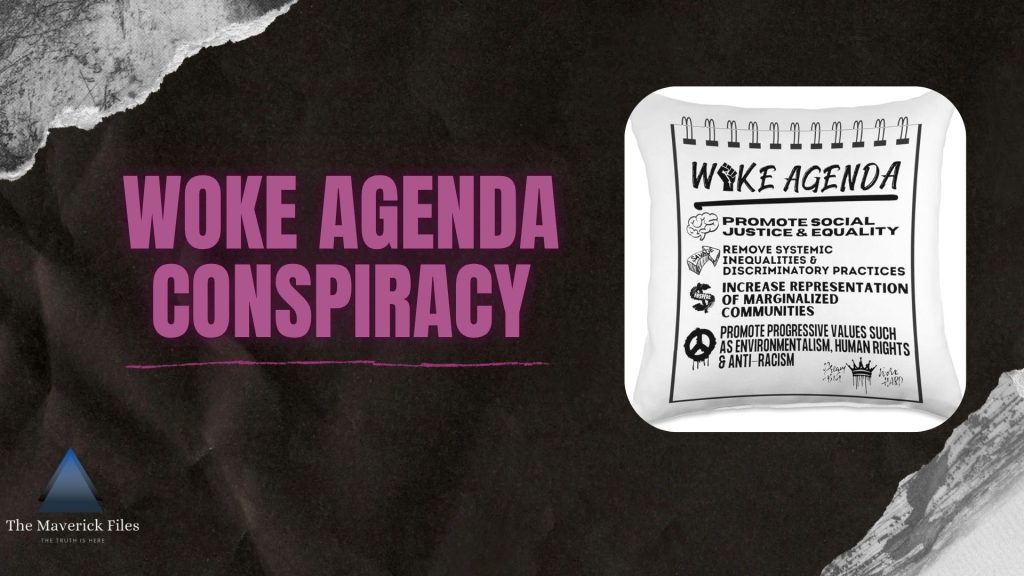
Whether one agrees or disagrees with that conclusion, the tension between equality, equity, and meritocracy has become one of the defining ideological battles of the twenty-first century. It is a debate not only about policy but about the very principles upon which a free and pluralistic society should be organized. That is the woke agenda in a “nutshell.” God, the Heavenly Father, created man with equal dignity, worth, and a purpose to love one another, to accept one another. This is the cornerstone of many faith traditions: to embrace unity and grace. Please share your thoughts in the comment section. Be well.